Benches

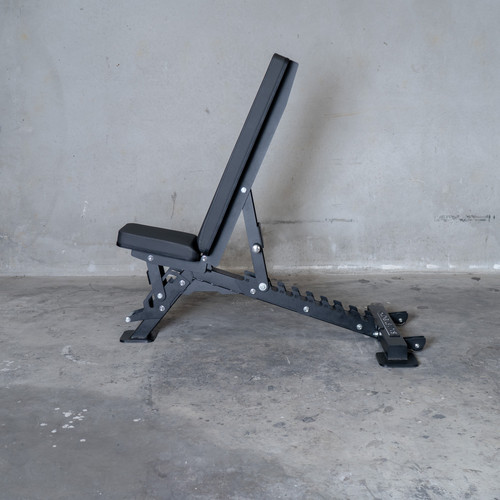


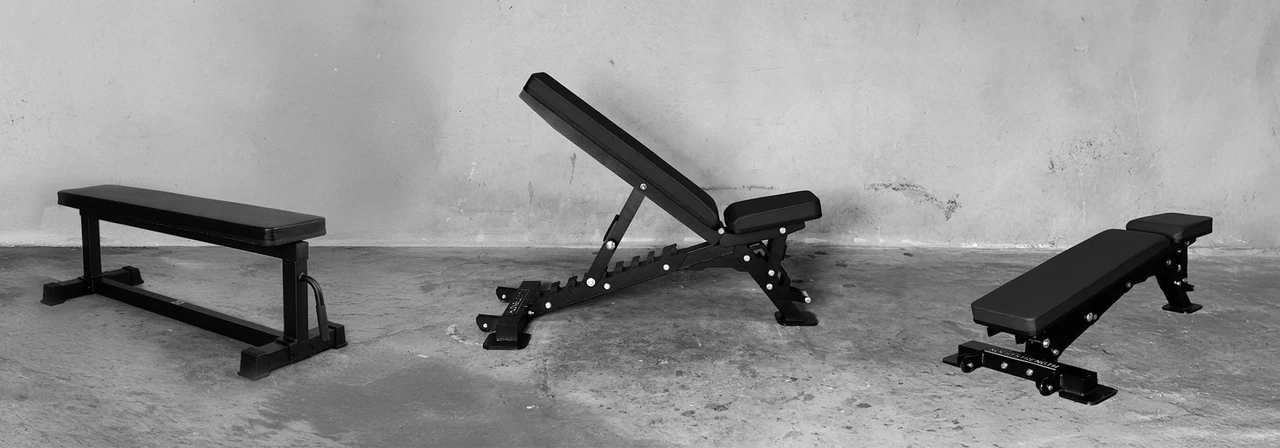
Choose a weight bench around the exercises you plan and the space in which you will use it. Compare flat and adjustable models by dimensions, adjustment positions and stated capacity, then check how the bench sits within your rack or dumbbell area.
Compare flat and adjustable designs
A flat bench has a fixed training position; an adjustable bench offers the positions stated in its listing. Read the actual adjustment range rather than assuming every model includes decline.
- Check pad height, width and length against your preferred exercise setup.
- Review how the manufacturer defines capacity, including whether it covers combined user and external load.
- Check that the bench position leaves the intended bar path and rack safeties usable.
Measure use and storage space
Allow room around the bench for weights, feet and access. If it will move between stations, compare the listed wheels or handles and the clearance needed to reposition it. Follow adjustment and locking instructions before loading the bench.
Frequently asked questions
Do all adjustable benches offer decline?
No. Check the stated backrest and seat positions for the individual model. Adjustable does not by itself mean flat, incline and decline.
Does a bench’s load rating include my body weight?
Capacity definitions can vary. Read the product specification and instructions, and ask for clarification if the distinction between user weight and external load is unclear.
Will any bench fit inside my rack?
Compare the bench footprint, rear support and adjustment positions with your rack’s internal space and safety setup. Check the complete arrangement, not just the pad width.
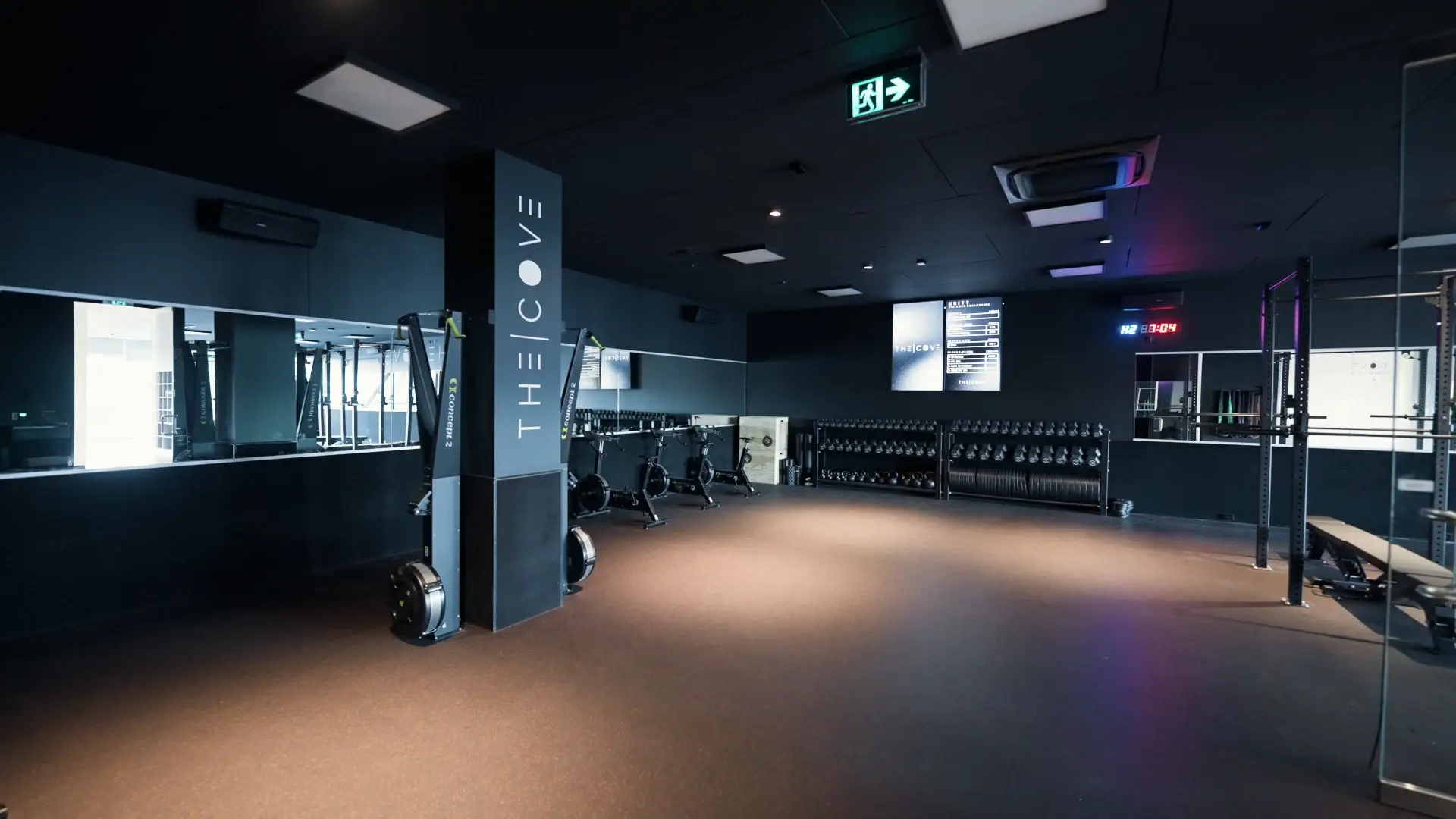
Fitting out a full space?
Gym planning and equipment supply nationwide, with installation available in Auckland.
Explore commercial fit-outs → Talk to the team