

Floor Standing










Buying guide
Floor Standing buying guide
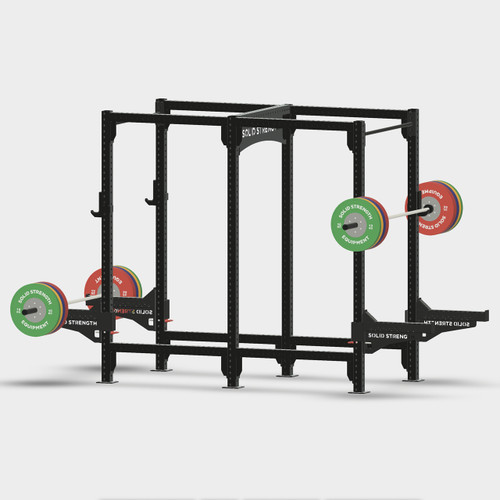
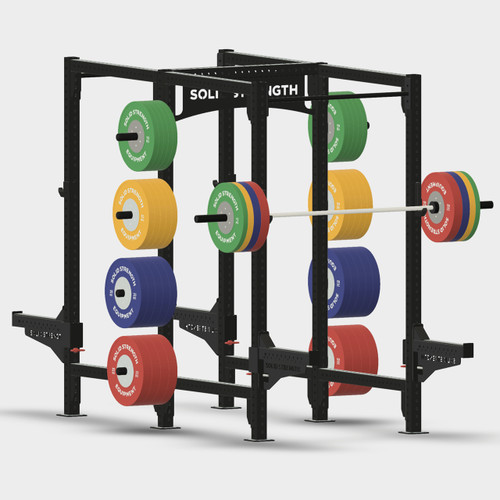
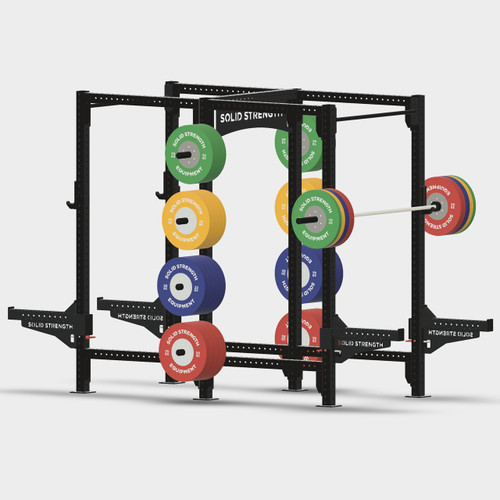
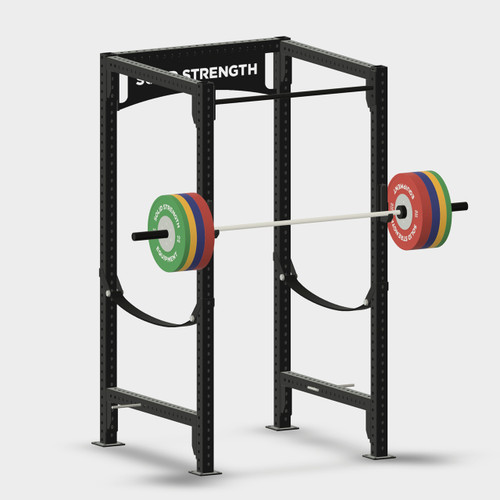
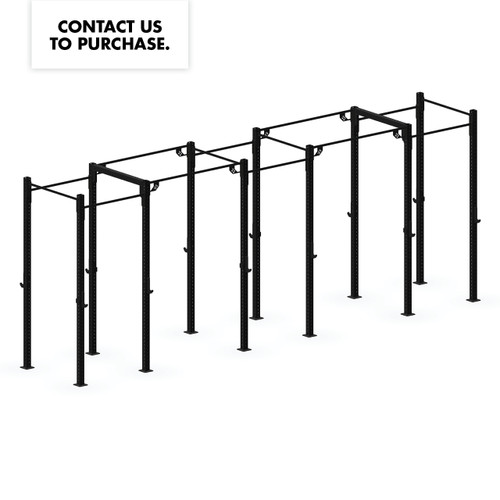
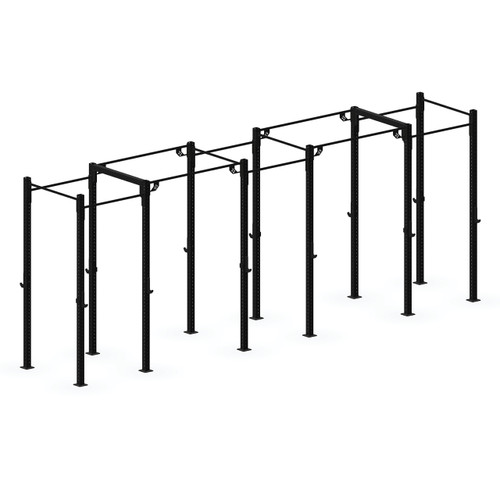
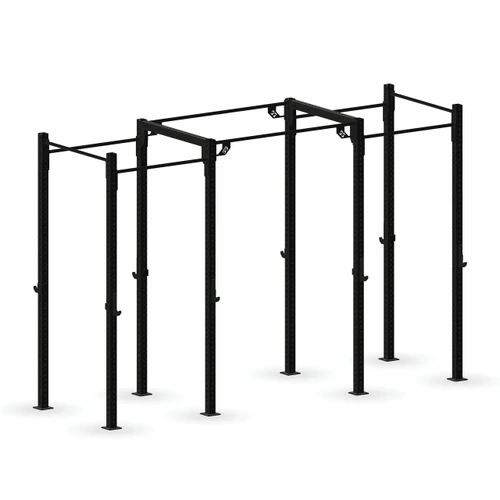
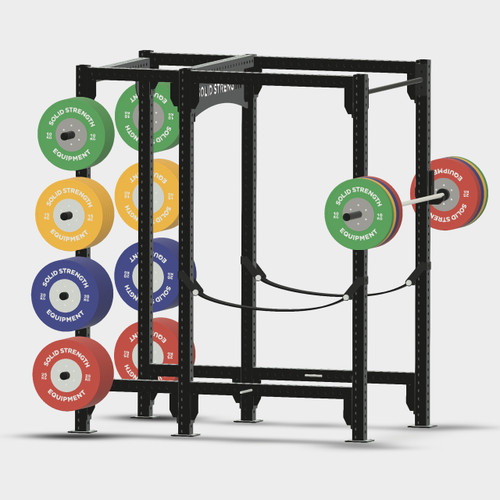
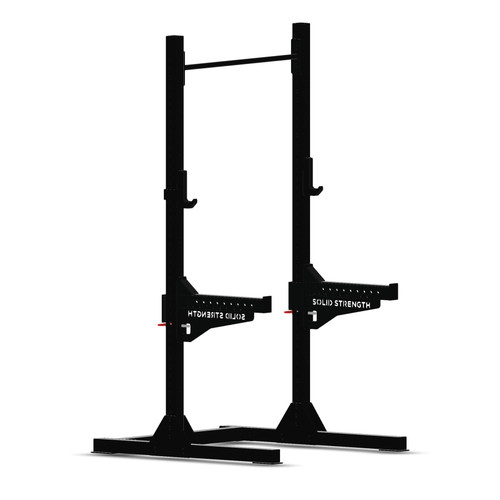
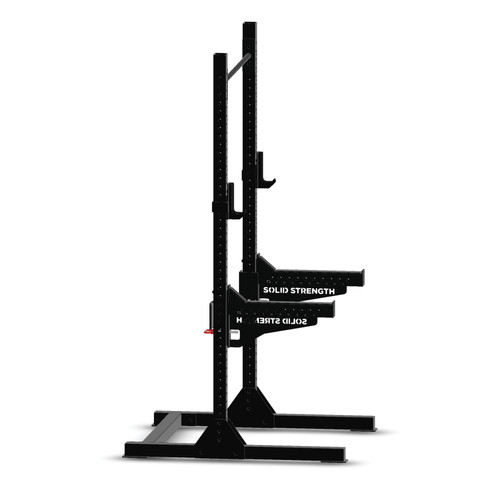
Floor-standing racks and rigs let you build a lifting area around the room rather than a wall. Work from the type of station you need—open squat rack, power rack or rig layout—then account for the installed footprint, safety setup and fixing requirements of the exact model.
Lay out the entire lifting station
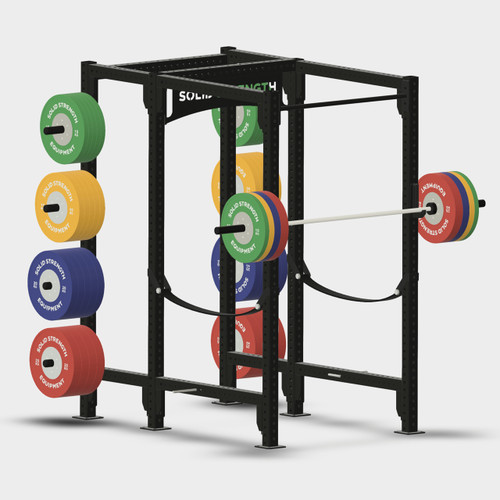
An open rack and a deeper power rack use the room differently. Measure where the bar, bench and plates will sit while someone is actually training.
- Allow clearance at both bar ends for loading.
- Confirm support adjustment positions and compatible safety equipment.
- Measure ceiling clearance alongside the frame’s assembled dimensions.
Keep access and installation in the drawing
Leave a clear route around the rack and include any storage in the footprint. Use the model’s anchoring instructions and floor requirements. A floor-standing product name does not by itself mean the equipment can be used without fixing.
Frequently asked questions
Can I move a floor-standing rack after assembly?
Review the model’s weight, assembly and fixing requirements. Plan its location first rather than assuming the assembled rack is intended for routine movement.
Is an open squat rack the same as a power rack?
No. The frame layout and safety options differ. Compare the supports, compatible safeties and usable space of each model for the exercises you plan.
Will a rack fit if its frame dimensions fit my room?
The frame is only part of the space required. Include the full bar, plate-loading room, bench and clearance around the lifter.
Fitting out a full space?
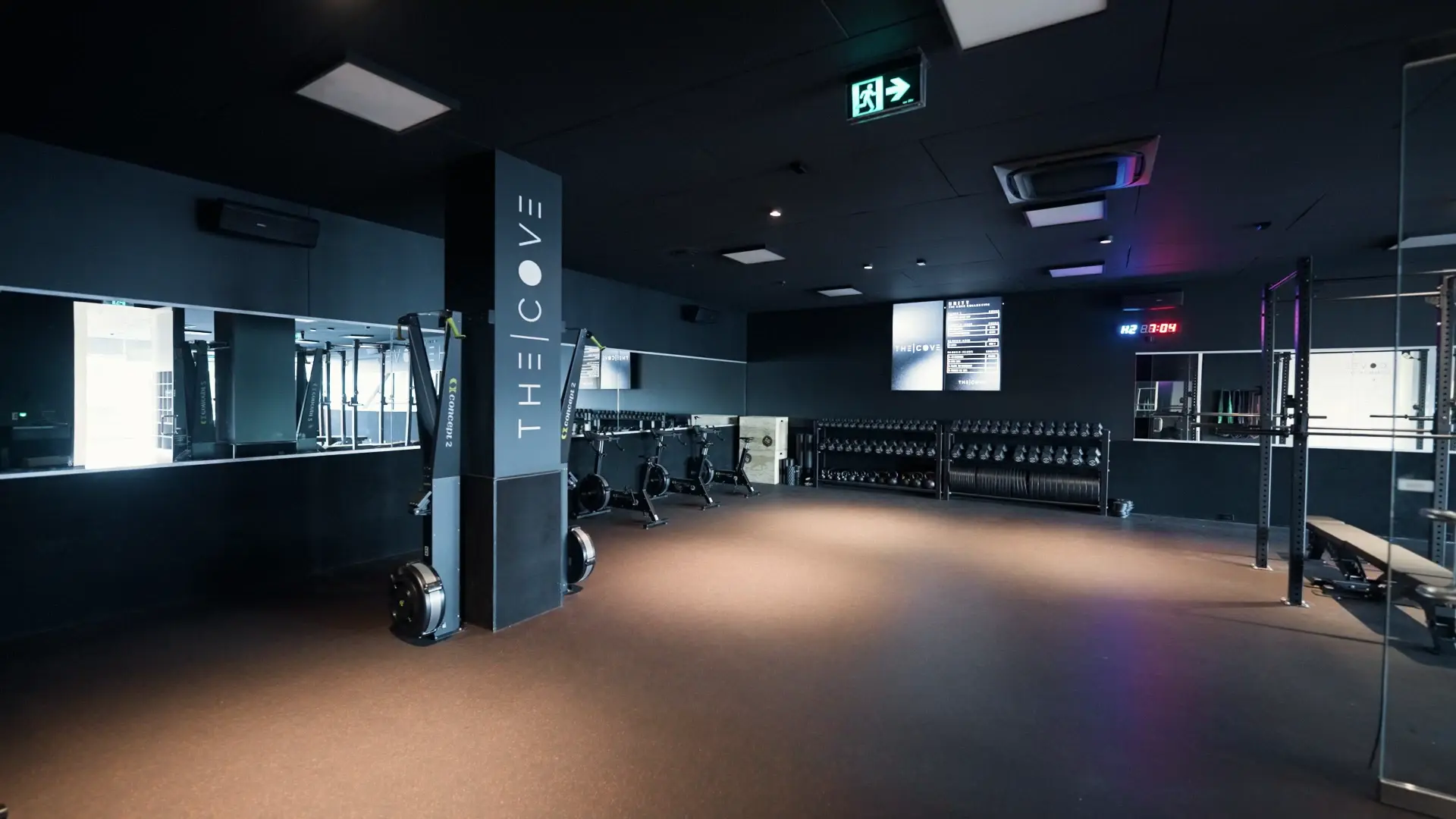
Gym planning and equipment supply nationwide, with installation available in Auckland.
Explore commercial fit-outs → Talk to the team