
Olympic Barbells
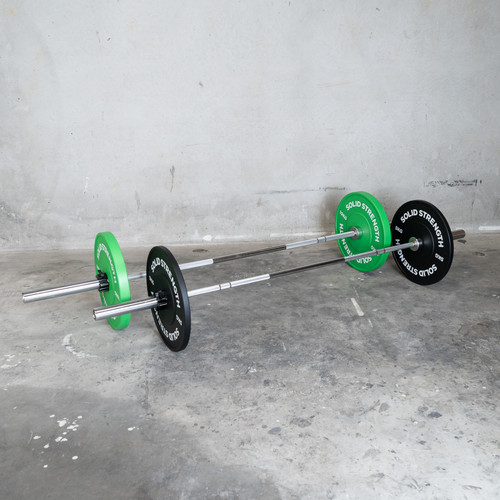
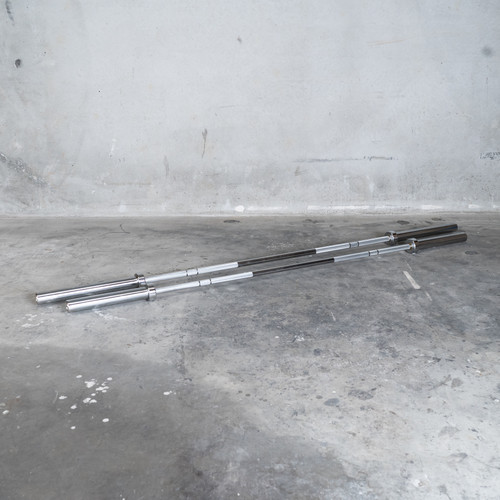
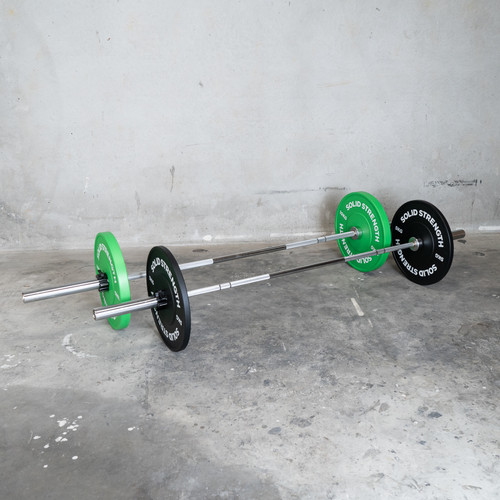


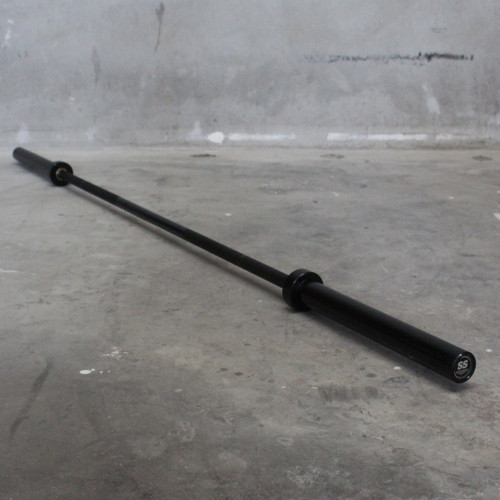
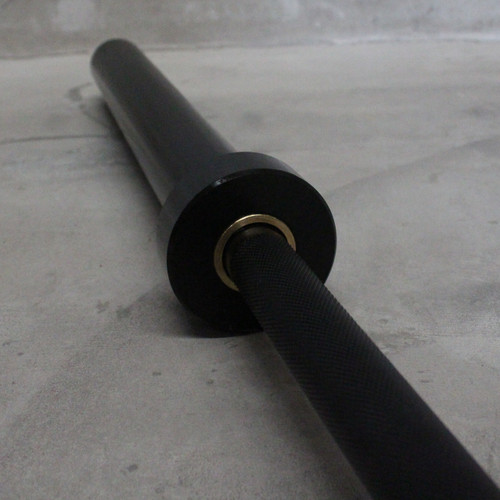


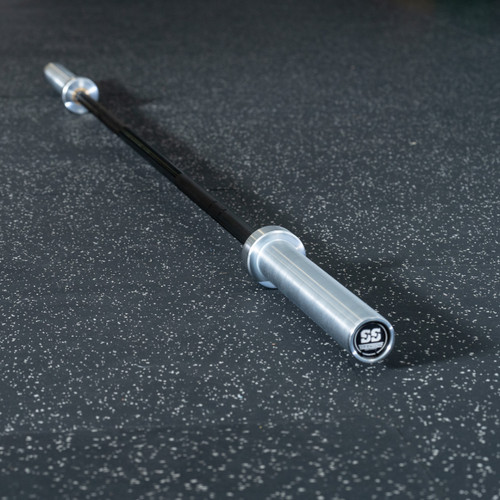


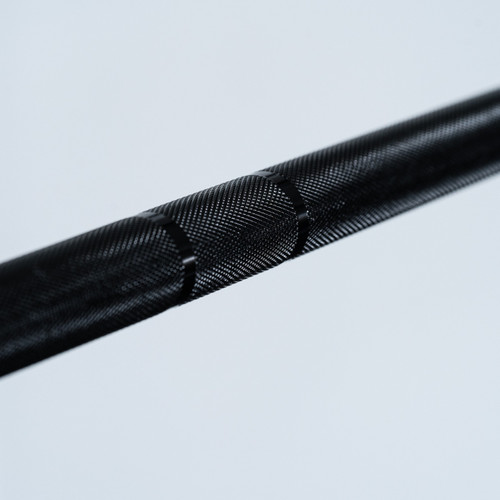

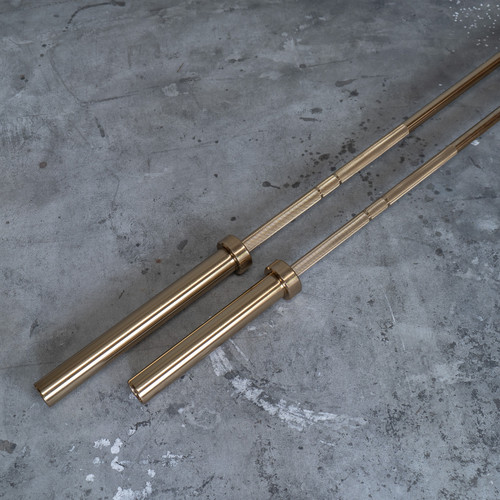
An Olympic barbell should suit the lifts you train, your preferred grip and the space available. Compare the listed bar weight, shaft and sleeve dimensions, grip markings and intended use rather than choosing on appearance or the maximum load figure alone.
Choose for your lifting style
Olympic lifting, powerlifting and general strength work place different demands on a bar. Use the product description to understand the design and any restrictions.
- Check overall length and the distance between sleeves against your rack and room.
- Compare shaft diameter, knurling and grip markings for the movements you practise.
- Check sleeve dimensions against plates and collars you already own.
Think beyond the bar
Leave room to load plates at both ends. If you plan to release a loaded bar, verify the bar, plates and lifting surface are suitable for that use. Follow the model’s care instructions rather than assuming every finish needs the same treatment.
Frequently asked questions
What is the difference between an Olympic lifting bar and a powerlifting bar?
Their grip markings, knurling, shaft characteristics and sleeve design can differ. Compare the actual specifications and intended use of each model rather than treating every Olympic-sized bar as interchangeable.
Will a shorter bar fit my rack?
Check the distance between the sleeves against the rack’s support width. Overall length alone does not tell you whether a bar can be racked correctly.
Can every Olympic barbell be dropped?
Do not assume so. Check the model’s instructions and restrictions, including the plates and surface required for the intended lifts.
Explore barbells for weightlifting and strength training. Compare technique bars and Olympic barbells by their weight, shaft diameter, knurling and intended use.
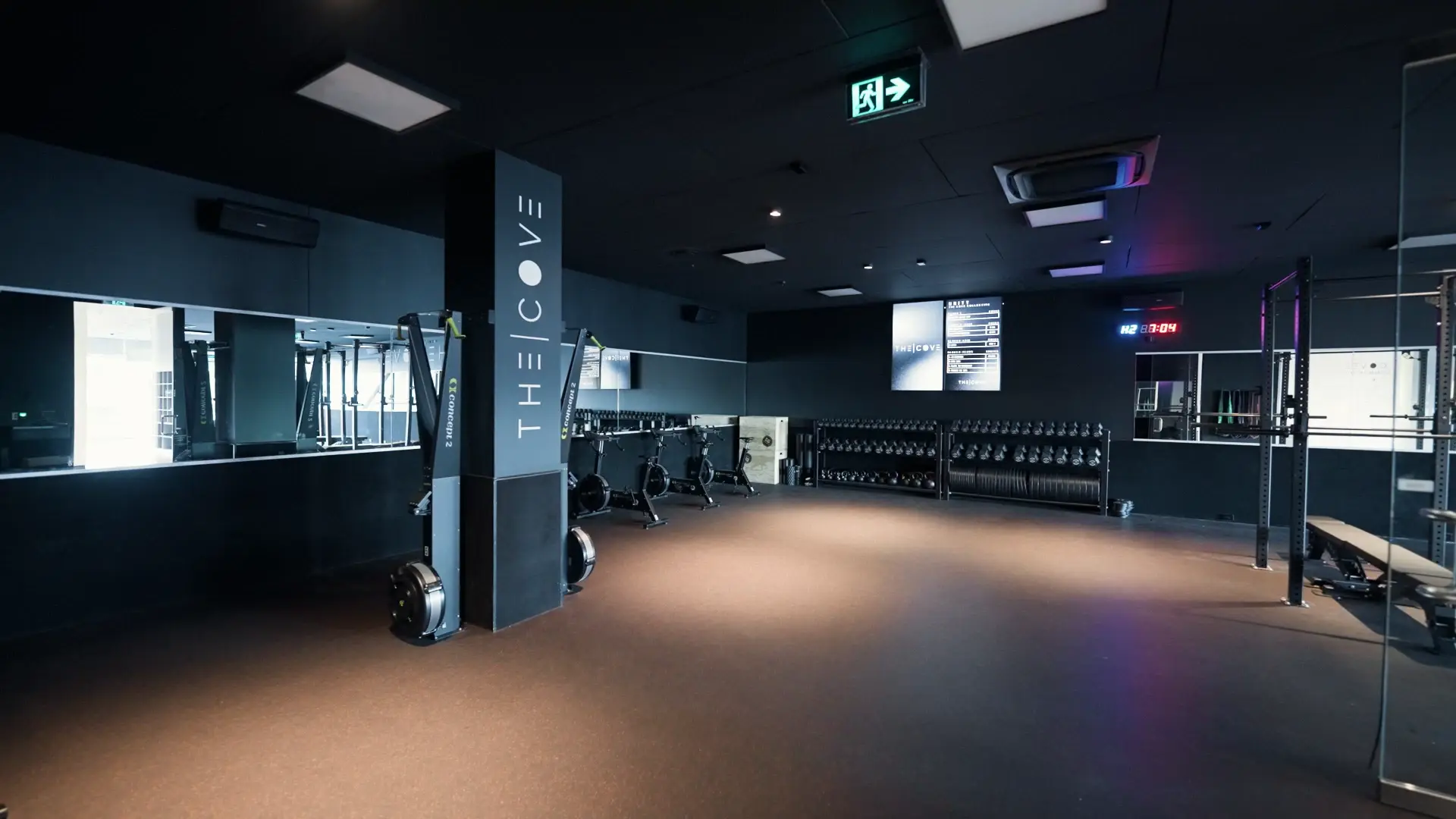
Fitting out a full space?
Gym planning and equipment supply nationwide, with installation available in Auckland.
Explore commercial fit-outs → Talk to the team